Most people trust that the water flowing from their taps is safe to drink, cook with, and use in daily routines. However, lurking within plumbing systems is a silent danger many property owners overlook—backflow. This occurs when water flows in the wrong direction, often caused by sudden pressure changes, allowing contaminants to enter clean water supplies. Ignoring backflow isn’t just a technical oversight for businesses, industrial sites, and property managers. It carries health, legal, financial, and reputational consequences. Understanding these risks and acting early through prevention is essential for safeguarding people and property.
The Risks Of Ignoring Backflow Issues In Your Plumbing System
Table of Contents
Contaminated Drinking Water: The Hidden Health Hazard
One of the most serious risks of backflow is contaminated drinking water. When backflow occurs, pollutants can enter the potable water system, turning a safe supply into a hidden hazard. The contamination is often invisible, making it especially dangerous.
Common contaminants introduced through backflow include:
- Fertilisers and pesticides from irrigation systems
- Industrial fluids and chemicals from factories or workshops
- Cleaning solutions and disinfectants from commercial kitchens
- Sewage and wastewater from cross-connections
Even small amounts of these contaminants can render water unsafe. Without prevention, what appears as clean drinking water may expose occupants to harmful substances.
Illness Outbreaks in Commercial Properties
In environments where people rely on shared water supplies—such as offices, schools, restaurants, or healthcare facilities—the consequences of backflow are magnified. A single incident can affect dozens of people before anyone realises what has happened.
Potential outbreak scenarios include:
- Cafés where coffee machines backflow chemical cleaning agents
- Childcare centres where irrigation systems siphon in fertilisers
- Hospitals where sterilisation systems compromise potable water
When people fall ill from contaminated water, it is not just a plumbing failure but a public health issue. In commercial settings, such outbreaks can trigger liability claims, enforcement actions, and closures until safety is restored.


Property Damage from Undetected Backflow
The dangers of backflow extend beyond health. Undetected backflow can also cause structural and equipment damage, leading to expensive repairs. Pressure fluctuations and contamination often put strain on plumbing infrastructure.
Risks to property include:
- Corrosion and damage to internal pipework
- Water leaks that go unnoticed until major flooding occurs
- Structural issues in walls, flooring, and ceilings from water damage
- Breakdown of appliances such as dishwashers and heating systems
The damage can disrupt operations and halt productivity in commercial and industrial facilities. Preventive measures are essential to avoid these costly interruptions.
Compliance Breaches and Legal Consequences
Backflow prevention is not only about safety but also a regulatory requirement. Plumbing codes and industry standards mandate businesses install and maintain backflow prevention devices. Ignoring these responsibilities exposes owners to serious consequences.
Failure to comply may result in:
- Regulatory fines and penalties for non-compliance
- Orders to suspend operations until corrective measures are taken
- Increased scrutiny from health and safety regulators
- Potential liability claims if contamination causes harm
For property managers, compliance protects tenants and maintains professional credibility. Testing and certifying prevention systems ensures that obligations are met.


Business Reputation at Stake
In today’s environment, trust is everything. A business linked to unsafe water will face more than regulatory scrutiny—it may suffer lasting reputational harm. Negative publicity travels quickly, and industries that rely on trust, such as hospitality, aged care, and education, are particularly vulnerable.
Consequences of neglecting backflow prevention include:
- Loss of customer or tenant confidence
- Damage to public image, especially in health-sensitive industries
- Difficulty regaining trust from stakeholders and regulators
Even when issues are resolved, reputational damage can linger. Proactive prevention demonstrates responsibility and safeguards business reputation.
The Financial Toll of Neglect
Many property managers hesitate to invest in regular testing or maintenance, viewing it as an expense that can be put off. However, this short-term mindset often backfires. Ignoring backflow prevention doesn’t just increase health and compliance risks—it can also create a heavy financial burden that far outweighs the cost of routine servicing.
Financial risks include:
- Expensive property repairs following water damage to plumbing, walls, and infrastructure
- Compensation claims from affected tenants, employees, or customers exposed to unsafe water
- Loss of revenue due to forced closures or disrupted business operations
- Increased insurance premiums or disputes when claims are linked to preventable neglect
- Legal fees and penalties if non-compliance with plumbing regulations is proven
What seems like a cost-saving measure often ends in greater financial strain. Preventive testing is a small investment compared to the potential losses caused by neglect.


The Role of Professional Testing in Prevention
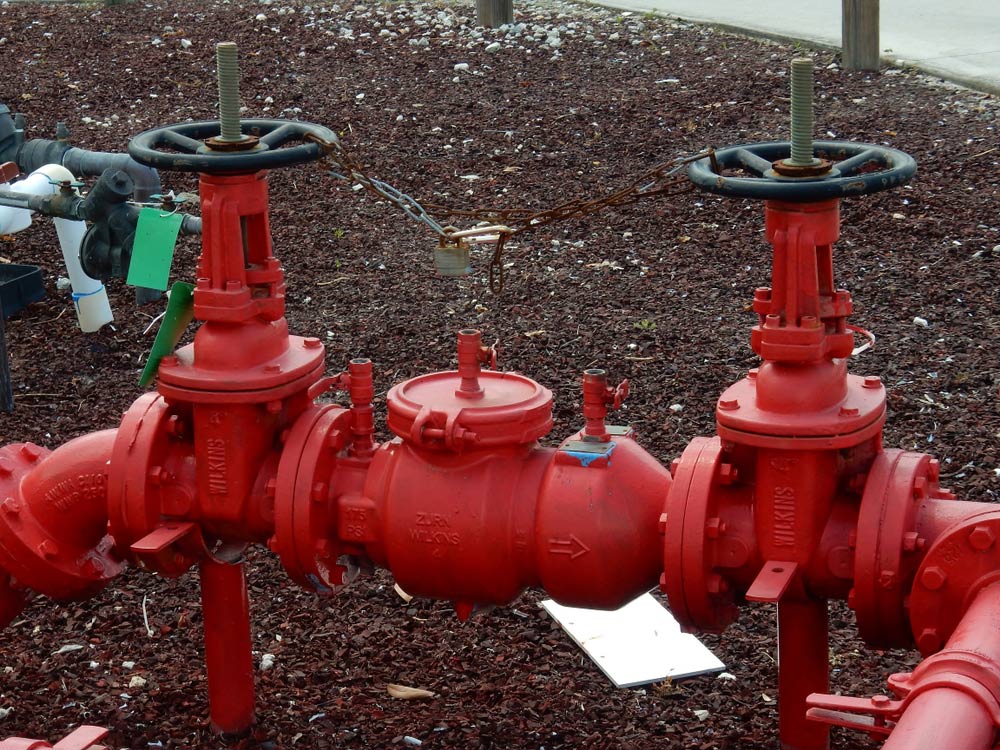
Preventing backflow requires more than installing a device. Regular professional testing ensures the system functions properly and remains compliant with regulations. These inspections identify faults before they escalate, providing property owners and managers peace of mind.
Typical professional backflow testing includes:
- Inspection of backflow prevention devices
- Pressure checks to detect potential reverse flow
- Certification of compliance with plumbing standards
- Detailed reporting for record-keeping and audits
Professional plumbers have the expertise and equipment to identify risks invisible to untrained eyes. Regular testing is both a safety measure and a compliance safeguard.
Safeguarding Tenants, Families & Investments
At its core, backflow prevention is about protection—protecting people, property, and investments. Whether it’s tenants in a residential building, staff in a commercial facility, or clients in a healthcare centre, everyone relies on a safe water supply.
Proactive prevention safeguards:
- The health and well-being of occupants and staff
- The structural integrity of buildings and plumbing systems
- The financial value of properties and long-term investments
- The reputation and credibility of businesses and organisations
By prioritising prevention, businesses and property managers demonstrate responsibility and foresight, ensuring safety and trust are never compromised.

Protect Your Property with Professional Backflow Prevention in Darwin
At Nightcliff Plumbing & Gas, we know how important it is to keep plumbing systems safe, compliant, and reliable. Our team provides backflow prevention in Darwin, including professional testing, certification, and ongoing maintenance to protect your water supply.
Address risks before they become problems to safeguard your property, tenants, and business. Get in touch with us through our website or give us a call to book your backflow prevention service today.
